Pakistan Mediates Peace Talks Between United States and Iran
Introduction: Pakistan Steps Into a Critical Diplomatic Role
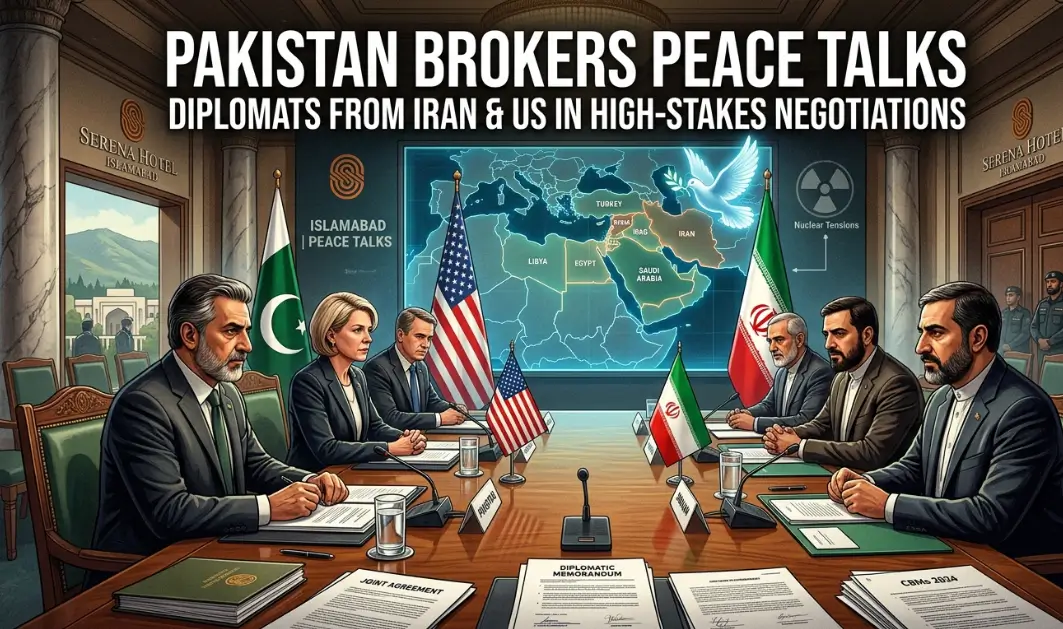
Pakistan has emerged as a key mediator between the United States and Iran, facilitating high-stakes peace talks aimed at preventing further escalation in the Middle East. As tensions remain high, Islamabad’s diplomatic efforts are being viewed as a significant attempt to stabilize the region through dialogue rather than conflict.
How Pakistan Is Mediating the Talks
Pakistan is not hosting direct negotiations alone but is primarily:
- Relaying messages between Washington and Tehran
- Facilitating indirect diplomacy
- Hosting negotiation rounds in Islamabad
- Engaging regional powers like Turkey, Saudi Arabia, and Egypt
Officials confirmed that indirect talks are ongoing, with proposals exchanged between both sides through Pakistan’s diplomatic channels.
Read More From US
- A Sudden Google Search Console Glitch That Sparked Panic
- Pakistan Mediates Peace Talks Between United States and Iran
- Fifa blamed for $100 World Cup 2026 trains from New York
- Current account posts surplus of $1.07bn in March
- How to increase DR Domain Rating in Ahref SEO Guide
Islamabad as the Center of Negotiations
Recent rounds of talks have taken place in Islamabad, positioning Pakistan as a neutral ground for dialogue.
- A marathon 21-hour session was held but ended without a final agreement
- Despite no deal, both sides acknowledged progress on key issues
- Pakistan is pushing for a second round of talks to extend a fragile ceasefire
This shows Pakistan’s commitment to keeping diplomatic channels open even after setbacks.
Key Issues in US–Iran Negotiations
The talks are focused on several critical disputes:
1. Iran’s Nuclear Program
- The United States demands strict limits or shutdown of uranium enrichment
- Iran insists on its right to peaceful nuclear development
2. Sanctions and Economic Relief
- Iran seeks lifting of US sanctions
- Requests include unfreezing of financial assets
3. Regional Security and Ceasefire
- Efforts are underway to extend a temporary ceasefire
- Discussions include maritime security and trade routes
These issues remain the main obstacles preventing a final agreement.
Pakistan’s Leadership in the Mediation
Pakistan’s mediation is being led by both political and military leadership:
- Prime Minister Shehbaz Sharif
- Foreign Minister Ishaq Dar
- Army Chief Asim Munir
Notably, Asim Munir has played a behind-the-scenes role, maintaining communication with both sides and helping arrange meetings.
Signs of Progress and Breakthrough Hopes
Despite challenges, there are positive signals:
- Talks have shifted toward a temporary agreement to prevent escalation
- A ceasefire framework is under discussion
- Pakistan expects a “major breakthrough” in nuclear-related negotiations
While a comprehensive deal is still distant, these developments suggest gradual progress.
International Support for Pakistan’s Role
Pakistan’s mediation efforts are backed by multiple regional and global players:
- Turkey has urged both sides to engage constructively
- Saudi Arabia and Egypt are supporting diplomatic efforts
- Global leaders have praised Pakistan for bringing both sides to the table
This broad support strengthens Pakistan’s position as a credible mediator.
Challenges Facing the Peace Process
Despite optimism, several risks remain:
- Deep mistrust between the US and Iran
- Disagreements over nuclear timelines
- Ongoing military tensions in the region
- Economic pressure and sanctions
Even recent talks in Islamabad ended without a final agreement, highlighting the complexity of the conflict.
Why Pakistan’s Role Matters Globally
Pakistan’s involvement is significant because:
- It acts as a neutral intermediary acceptable to both sides
- It helps prevent direct confrontation
- It contributes to regional and global stability
- It strengthens Pakistan’s image as a diplomatic player on the world stage
If successful, this mediation could become one of the most important diplomatic breakthroughs in recent years.
Conclusion: A Fragile but Promising Path to Peace
Pakistan’s mediation between the United States and Iran represents a critical effort to avoid further conflict and promote stability. While no final agreement has been reached yet, the continued dialogue, ceasefire discussions, and diplomatic engagement signal a promising path forward.
The coming weeks will be decisive. If Pakistan can help bridge the remaining gaps, it may not only prevent escalation but also reshape the geopolitical landscape through diplomacy instead of war.





Post Comment