Fifa blamed for $100 World Cup 2026 trains from New York
Introduction: Rising Costs Overshadow World Cup Excitement
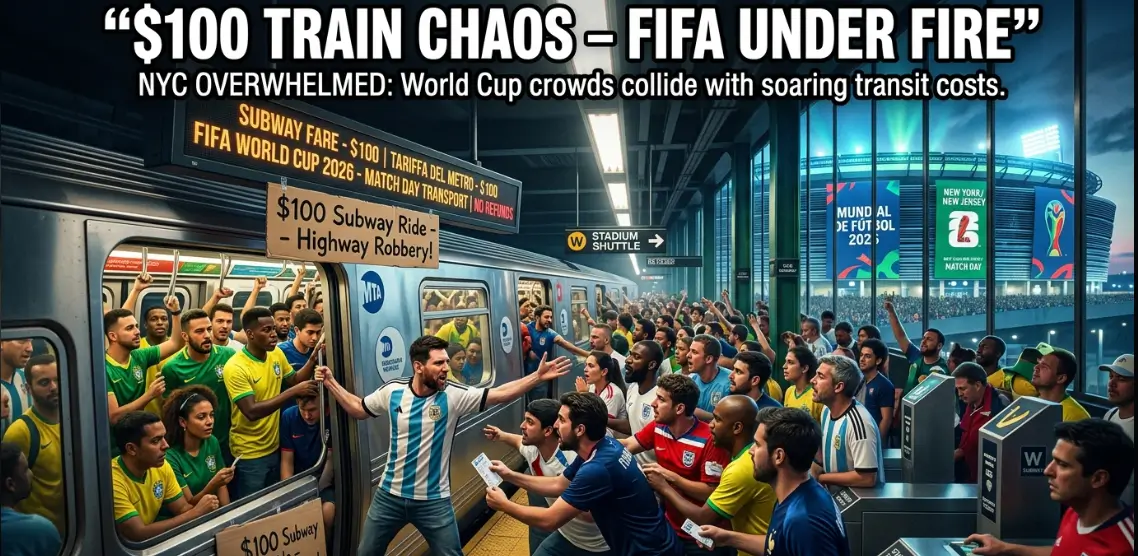
As anticipation builds for the 2026 FIFA World Cup, a major controversy has emerged surrounding skyrocketing train fares from New York, with tickets reportedly reaching $100 for short-distance travel. Fans, analysts, and local officials are increasingly pointing fingers at FIFA, blaming tournament planning and infrastructure pressure for the surge in transportation costs.
The issue has quickly escalated into a broader debate about affordability, accessibility, and event management, raising serious concerns ahead of one of the biggest sporting events in history.
Why Train Fares from New York Are Surging
High Demand Driven by World Cup Crowds
With millions expected to travel across host cities, New York is set to become a central hub. The surge in demand for transportation—especially trains connecting nearby venues—has created:
- Overwhelming booking pressure
- Limited seat availability
- Dynamic pricing spikes
As a result, what would normally be a $20–$40 train ride has surged to $100 or more, leaving fans frustrated.
Infrastructure Limitations and Capacity Issues
Despite being one of the world’s most developed cities, New York’s rail infrastructure is struggling to keep up with projected World Cup traffic. Key issues include:
- Limited expansion of rail lines
- Aging transport systems
- Insufficient upgrades for mega-event demand
These constraints have allowed prices to inflate as demand outpaces supply.
Why FIFA Is Being Blamed
Centralized Event Planning Pressure
Critics argue that FIFA failed to adequately coordinate with local transport authorities. Key complaints include:
- Underestimating travel demand between host cities
- Lack of integrated ticketing solutions
- Insufficient investment in transportation infrastructure
This has shifted the burden onto local systems, resulting in price hikes passed directly to fans.
Multi-City Hosting Complexity
The 2026 World Cup will be hosted across multiple cities in the United States, Canada, and Mexico, making transportation logistics significantly more complex than previous tournaments.
Fans traveling between cities face:
- Expensive intercity transport
- Limited affordable options
- Scheduling challenges
The decentralized nature of the tournament has intensified the problem.
Fan Reactions: Growing Frustration and Backlash
Supporters worldwide have voiced concerns over affordability, particularly for those traveling on a budget. Social media and forums highlight:
- Complaints about “unfair pricing”
- Calls for transport subsidies
- Criticism of FIFA’s planning approach
Many fans argue that the World Cup, traditionally seen as a global celebration of football, risks becoming financially inaccessible.
Economic Impact on Local Travelers
The rising train fares are not just affecting international visitors. Local commuters and residents are also facing:
- Increased daily travel costs
- Overcrowded trains
- Disruptions to regular schedules
This has sparked debate about whether local populations are bearing the cost of a global event.
Potential Solutions Being Discussed
1. Government Intervention
Authorities are exploring options such as:
- Price caps on train fares
- Subsidies for World Cup travelers
- Temporary transport expansions
These measures aim to protect consumers and maintain accessibility.
2. Increased Train Capacity
Transport agencies are considering:
- Adding extra train services
- Extending operating hours
- Deploying high-capacity trains
However, implementation remains a challenge due to time constraints and infrastructure limitations.
3. Alternative Transportation Options
Fans are being encouraged to explore:
- Bus networks
- Carpooling services
- Domestic flights
While these options may reduce pressure on trains, they also come with their own cost and logistical challenges.
Broader Implications for the 2026 World Cup
The controversy raises serious questions about event accessibility and planning. If unresolved, high transport costs could:
- Reduce fan attendance
- Damage the tournament’s global image
- Create inequality in access to matches
For a tournament expected to be the largest World Cup in history, such issues could have lasting consequences.
FIFA’s Responsibility Moving Forward
There is increasing pressure on FIFA to take a more active role in:
- Coordinating with host cities
- Ensuring affordable travel options
- Investing in infrastructure support
Addressing these concerns is essential to maintain the spirit of inclusivity and global unity that defines the World Cup.
Conclusion: A Test of Planning and Accessibility
The $100 train fare controversy from New York highlights a critical challenge facing the 2026 FIFA World Cup. While excitement for the tournament continues to grow, issues like transportation affordability threaten to overshadow the event.
Ensuring that fans can travel efficiently and affordably will be key to the tournament’s success. Without immediate action, the World Cup risks becoming a spectacle that many passionate supporters simply cannot afford to experience firsthand.






Post Comment